Dec 08, 2025
Ultimate Guide for 12 Must-Know Tips to Start Your Home Interior Design Journey
Designing the interiors of your home is an exciting and emotional journey. It is the moment when your dreams start taking shape, and you finally create a space that feels like your own. However, successful interior design is not just about choosing beautiful furniture or selecting trendy paint colors. It is about careful planning, research, budgeting, and understanding how to make your home more functional and visually appealing. Before stepping into execution, it is important to know the most crucial things before planning your home interiors. A strong foundation ensures a stress-free design process and prevents costly mistakes later.
This blog is your complete home interior design guide, curated with practical tips that homeowners often overlook. Whether you are renovating or designing a new home, here are the top 12 things you must consider before home interior design begins.
1. Understand Your Needs and Lifestyle
Every successful home interior design project begins with clarity. Take time to identify how you live, what matters most, and what each room should offer. A bachelor, a couple working from home, and a family with children will have completely different requirements. Think about your daily routine, storage needs, hobbies, working preferences, and spaces you use the most. When you understand your lifestyle, you can create a home that supports comfort and convenience. Make a room-by-room list and use it as an interior designer checklist to guide your planning.
2. Set a Realistic Budget
Budget planning is essential for a smooth interior design experience. Decide how much you can comfortably invest and divide your budget into categories such as furniture, flooring, lighting, décor, kitchen and wardrobe work, painting, furnishings, and labor. A realistic budget ensures smart decisions and helps you prioritize what matters most without overspending. You can also consult an interior design company for better cost control guidance and transparent estimates.
3. Measure and Evaluate the Space
Before jumping into styles and décor choices, understand the physical structure of your home. Measure every wall, doorway, window, ceiling height, and electrical point. Accurate measurements prevent layout issues and ensure that furniture fits properly. Evaluate factors like room shape, ventilation, and natural light. Knowing the strengths and limitations of your space helps you plan furniture placement and movement flow more efficiently.
4. Identify and Define Your Design Style
A clear design style becomes the heart of your home. Explore different interior themes such as contemporary luxury, classic elegance, minimalist modern, bohemian style, or a warm Scandinavian look. Create a mood board using Pinterest or magazine clippings. This helps you visualize colors, textures, and furniture styles that align with your personality. When your design direction is defined, every choice becomes easier and more coherent.
5. Prioritize Functionality Over Aesthetics
A beautiful home that is uncomfortable to live in can become frustrating over time. Design must support everyday comfort and ease rather than just looking good in photographs. Think about storage, movement flow, usability, and long-term maintenance. Ask yourself practical questions like Will this layout make life easier Will this material survive daily usage? Will this furniture size work comfortably? Functionality ensures a timeless home that remains useful for years.
6. Create a Smart Layout Plan
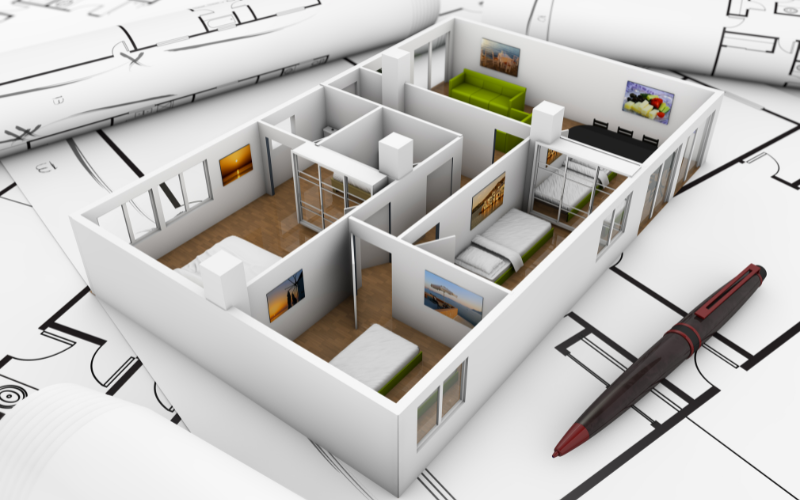
Space planning is one of the most important aspects of interior design. Whether your home is compact or spacious, a well-organized layout can transform the feel of the space. Create a basic floor plan showing where furniture, appliances, and seating areas will be placed. Imagine how people will move around the space and ensure no area feels congested. A smart layout makes the home airy and efficient.
7. Material and Finish Selection
The materials you choose define the durability, appearance, and maintenance of your home. When selecting flooring, tiles, laminates, countertops, or fabrics, consider climate, usage frequency, and cleaning ease. For instance, high traffic areas need tough flooring, while kitchen countertops demand heat and stain resistance. Eco-friendly materials are great for sustainability. Choosing wisely will save future repair costs and keep your home beautiful for years.
8. Lighting Planning
Lighting completely changes the mood and functionality of a space. Plan a balance of natural and artificial lighting. Use a combination of general ceiling lights, task lights for reading or working areas, and accent lighting for décor elements. Wall sconces, cove lighting, profile lighting, lamps, and spotlights all play important roles. A well-lit home feels warm, spacious, and welcoming.
9. Storage Planning
A clutter-free home immediately looks luxurious and peaceful. Plan storage during the early design stage to avoid bulky add-ons later. Think about wardrobes, kitchen storage, TV units, shoe racks, bathroom cabinets, and hidden storage solutions. Organised storage ensures everything has its place and your home always feels tidy.
10. Electrical and Plumbing Planning
This is one of the most important parts of any interior design checklist and must be completed before painting or carpentry. Plan switchboard placements, appliance locations, AC positioning, geyser points, and lighting wiring before execution begins. If done late, changes can become expensive and disruptive. Good planning here saves time and effort.
11. Add Personal Touches and Character
A home becomes meaningful when it reflects who you are. Add décor, artwork, plants, family photos, handmade pieces, or memories from travel. Personal elements bring soul, warmth, and identity to your interiors. Style your home in a way that brings joy and emotional comfort.
12. Seek Help from a Professional Interior Design Company
While DIY ideas are inspiring, interior designing involves technical expertise, space analysis, material knowledge, and project management. Working with professionals ensures accuracy and creativity. A skilled interior design firm can help you avoid costly errors, optimize space, and bring your vision to life beautifully. If you want expert guidance and a well-managed project, partnering with a reputable interior design company is a wise choice.
Final Thoughts
A beautiful home requires thoughtful planning. When you consider these top 12 things before planning your home interiors, you create a perfectly balanced living space that is functional, stylish, and long-lasting. Use this powerful home interior design checklist and step into your design journey confidently. Whether you are designing from scratch or renovating, careful preparation ensures a home you will love forever.
If you are looking to upgrade your living space in Noida, Catalyst Interio has you covered. We specialize in turning houses into homes. Let's chat about your ideas—contact us via call or WhatsApp at +91 99998 55220.