Dec 19, 2025
Discover Why Smart Space Planning Leads to Perfect Interiors
Have you ever stepped into a beautifully designed home or office and felt instantly comfortable without knowing exactly why? The reason behind that feeling often lies in smart space planning. While colors, furniture, and decor play a role, the foundation of a functional and visually appealing space is thoughtful planning. Understanding why space planning is important before interior design helps you create spaces that look good and work well for real, everyday living.
Space planning in interior design is the strategic process of organizing areas to maximize functionality, comfort, and flow. Whether you are designing a compact apartment, a luxury villa, or a modern workspace, smart space planning ensures that every inch of space serves a purpose. It transforms interiors from cluttered and chaotic to efficient and harmonious. This space planning guide will help you understand why smart planning matters and how it can completely elevate the overall experience of any environment.
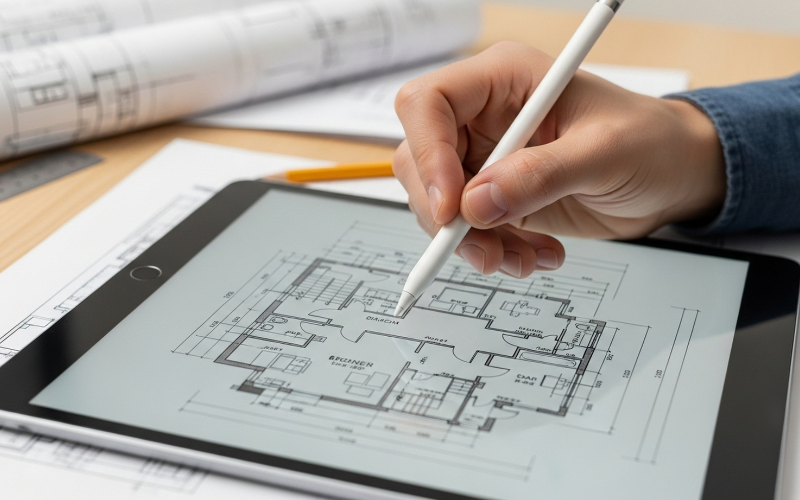
The Importance of Space Planning in Interior Design
Space planning is the foundation of any successful interior design project because it determines how rooms are shaped, how furniture is placed, and how people move through the environment. Without proper planning, even the most beautiful pieces of furniture cannot create a practical space.
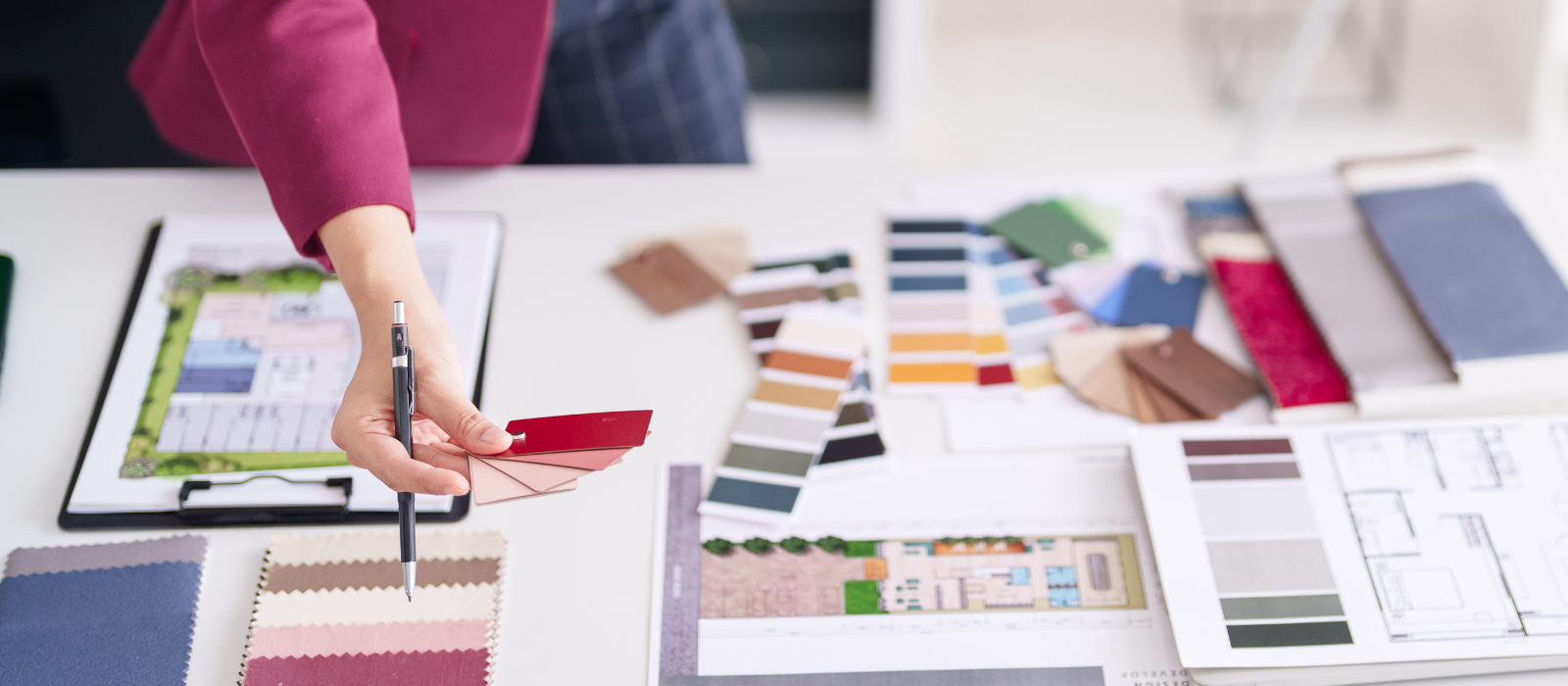
Many people begin interior design with furniture shopping or selecting wall colors. However, professional designers always start with space planning and design because it has a massive impact on comfort and usability. When clients understand why space planning is important in interior design, they become more aware of how smart decisions made early in the process help avoid costly mistakes later.
Imagine a living room with expensive furniture that feels cramped because the sofa blocks movement paths, or an office where desks are placed too close together, limiting productivity. These problems occur when the design begins without a well-planned layout. That is why space planning is important before the interior design stage.
Key Benefits of Space Planning
There are countless advantages to smart space planning, whether in residential interior design, commercial interior design, home interiors or office environments. Here are the key benefits of space planning that show why the process is essential for perfect interiors.
Improved Functionality and Flow
Smart space planning optimizes how space is used. It explains how each area will function and how movement will occur. In home interior design, thoughtful layout planning makes it easier to navigate from one room to another. For example, when designing a kitchen, the distance between the sink, stove, and refrigerator should support a smooth workflow. The same applies in office interior design, where circulation paths should support efficiency without distractions.
Better Use of Available Space
Space planning in home interior design ensures that every area is used efficiently and nothing is wasted. In compact homes, multipurpose rooms require intelligent planning so one space serves several functions comfortably. In commercial spaces, planning helps reduce unused zones and convert extra space into profitable utility areas. This is why space planning in office interior design is important for reducing real estate costs and increasing productivity.
Supports Furniture and Storage Decisions
Furniture can make or break a space. Space planning helps determine the right size, shape, and placement of furniture. It prevents overcrowding and maintains the balance between aesthetics and comfort. When you understand why space planning is important before interior design, you avoid buying furniture based only on looks; instead, you consider functionality and layout. Smart planning also integrates custom storage solutions that blend seamlessly into the design.
Enhances Aesthetics and Atmosphere
When planning is done correctly, interiors feel visually balanced and pleasing. Space planning and design help determine focal points, lighting positions, pathways, and sight lines that improve the overall ambience. A beautifully planned interior has harmony, clarity, and rhythm that immediately make the space more inviting. Whether it is residential interior design or commercial interior design, aesthetics become more meaningful when every element is thoughtfully placed.
Boosts Productivity and Well-being
Space planning in office interior design has a direct influence on employee performance. Properly organized work environments reduce stress and encourage productivity. Open spaces promote collaboration, while quiet zones enable focus and creativity. Thoughtful planning includes ergonomic furniture, circulation paths, and natural light. Office spaces that are designed with employee comfort in mind help improve retention and job satisfaction.
Supports Future Flexibility
Another important reason why space planning is important in interior design is adaptability. Lifestyles change, family sizes grow, work cultures shift, and technology evolves. Smart space planning allows interiors to be easily modified in the future. For example, a guest room might convert into a home office, or an empty loft space may transform into a collaborative work zone. Planning makes redesigns simpler and more cost-effective.
Space Planning in Different Types of Interior Design
Space Planning in Home Interior Design
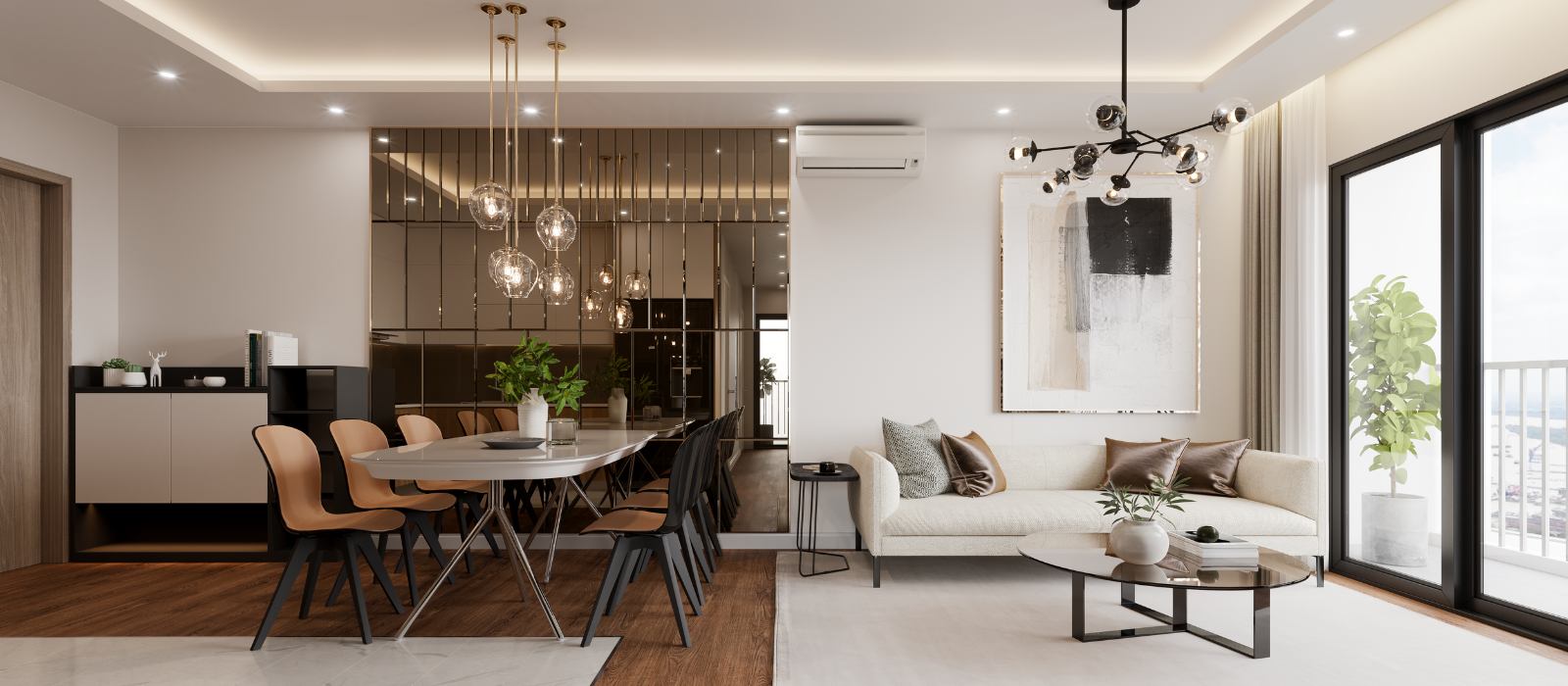
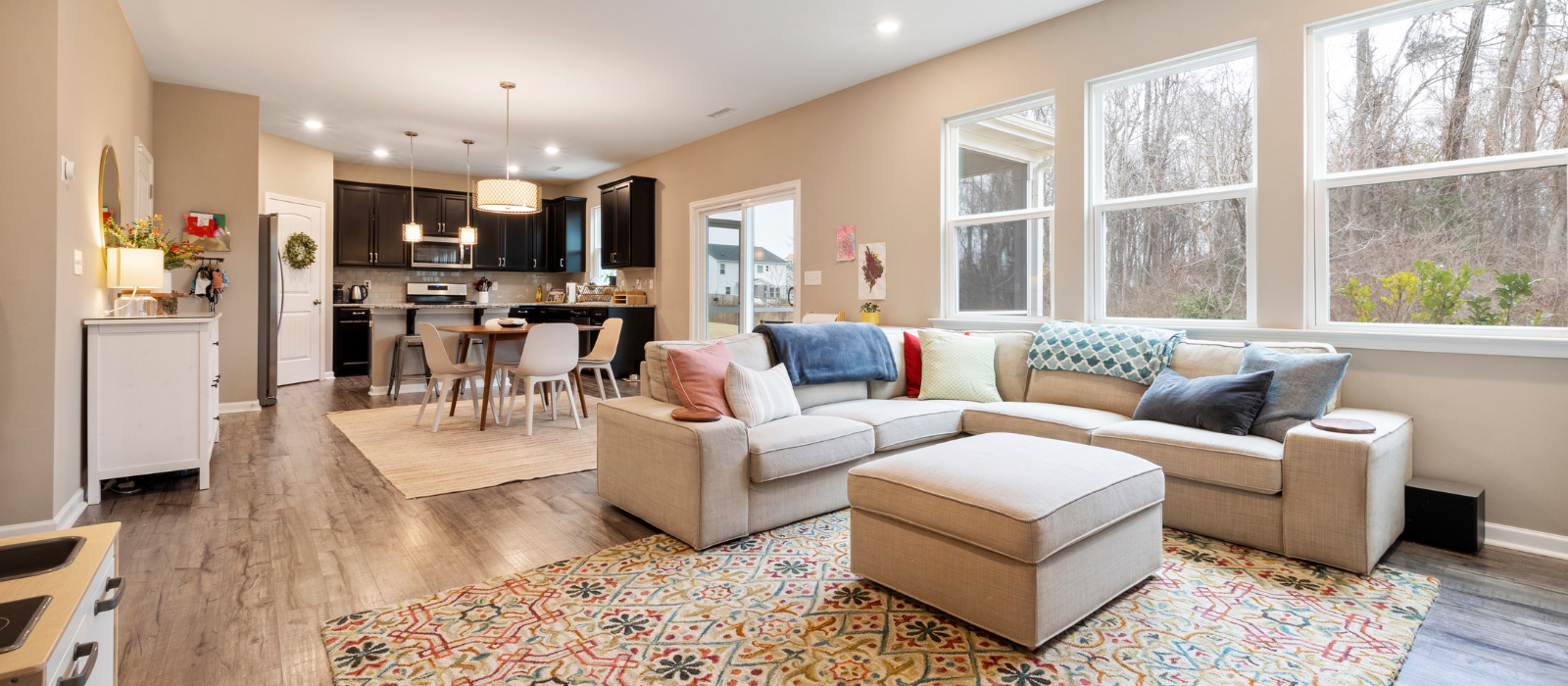
In residential projects, design is deeply personal. Smart planning reflects the lifestyle and needs of a family. It organizes living, dining, sleeping, and working spaces according to function and comfort. It considers movement patterns, storage needs, and daily routines. A well-planned home makes life easier and more enjoyable.
Space Planning in Office Interior Design
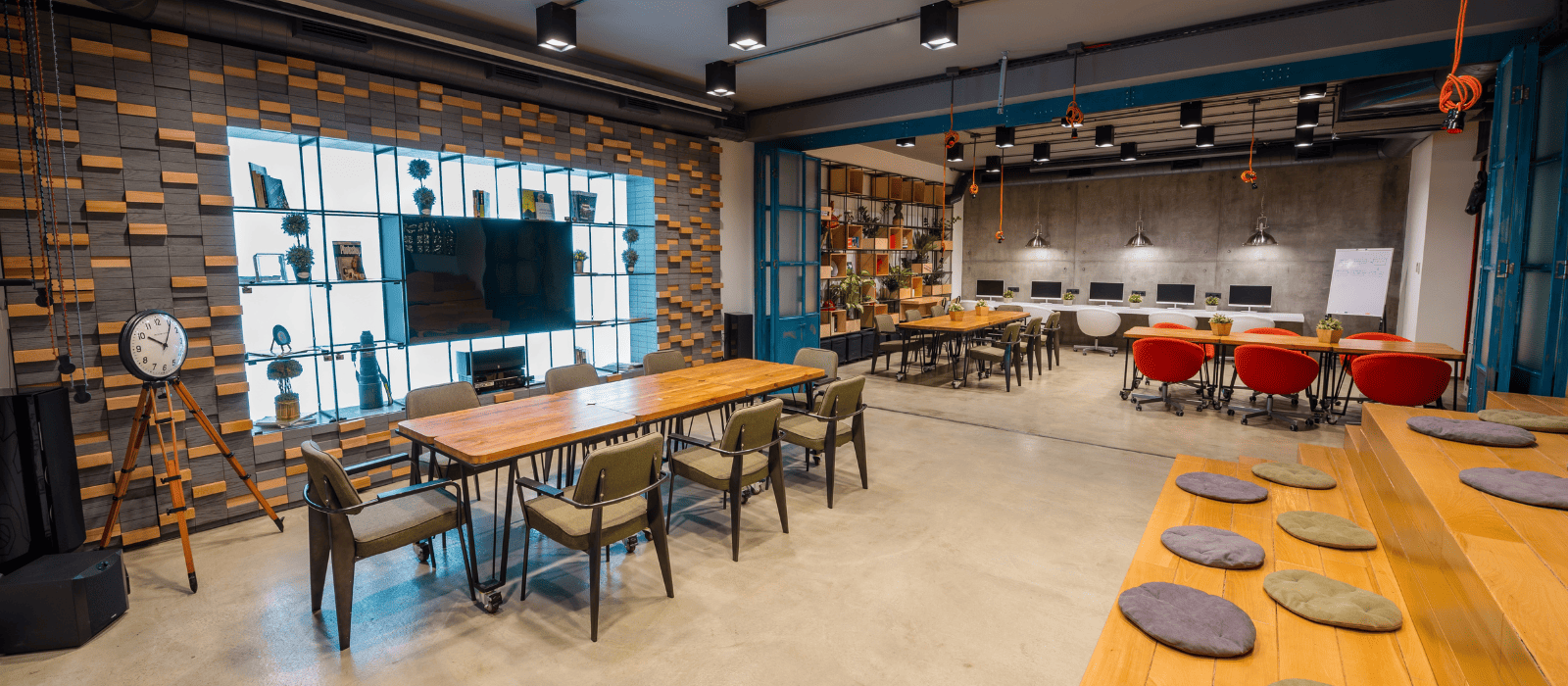
Workplaces require careful planning to support productivity. Space planning helps create zones for collaboration, client interactions, private work, training rooms, and social areas. It integrates technology, safety regulations, and accessibility standards. Well-planned offices reduce distractions and improve performance.
Space Planning in Commercial Interior Design
Retail stores, restaurants, hotels, and showrooms rely on strategic layout planning to improve customer experience and increase revenue. Smart layouts influence customer navigation, product placement, and ambience. They help businesses grow and stand out from the competition.
Conclusion
Smart space planning is the foundation of perfect interiors. It determines how spaces function, how they feel, and how they support the people who use them. From homes to workplaces to retail environments, planning helps maximize space, improve efficiency, enhance beauty, and create adaptable layouts that grow with changing needs.
When you understand the Importance of Space Planning in interior design, you unlock the true potential of every square foot. Smart planning transforms ordinary spaces into beautiful and meaningful environments that support productivity, comfort, and happiness.
If you are beginning a project and wondering why space planning is important before interior design, the answer is simple. Plan first and design second. With thoughtful planning, your dream interior becomes a reality that is functional, stunning, and timeless.